What is a bolt-ball joint?
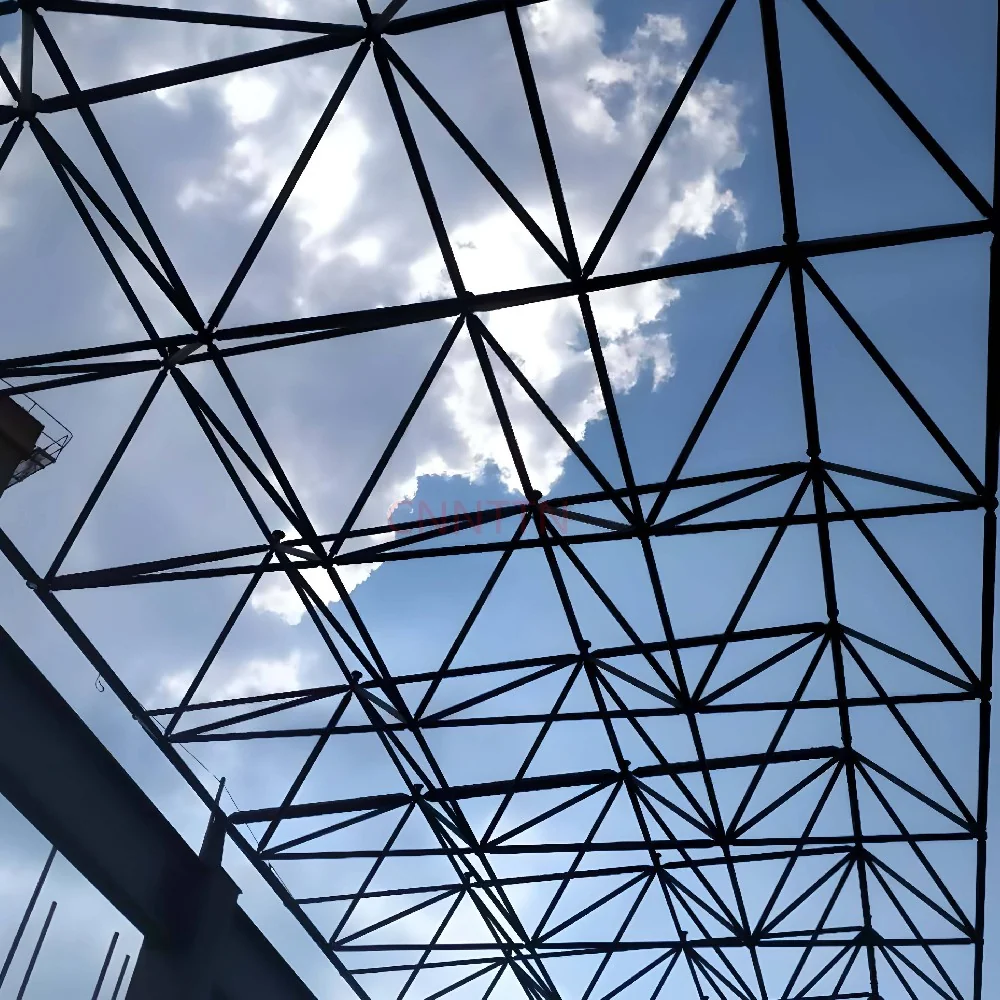
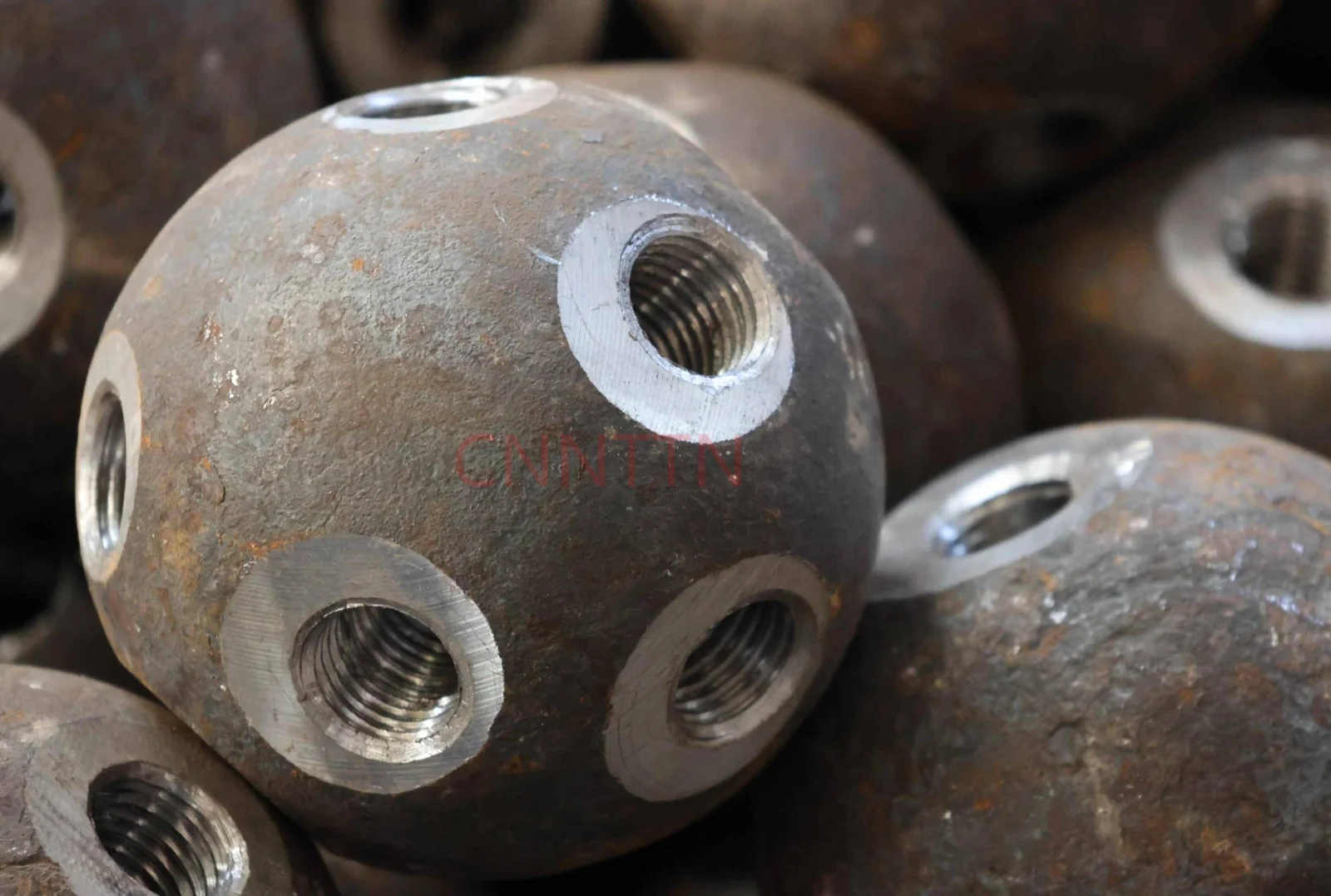
A bolt-ball joint is a connection arrangement in which several members meet at a steel spherical node with machined threaded holes. In a typical proprietary tubular system, the assembly also includes member-end components, connecting bolts and sleeves. The exact geometry and force-transfer mechanism belong to the specific system, not to every product sold under the same general name.
MERO's published system descriptions provide one manufacturer example of modular spatial construction. They should not be read as evidence that another supplier's components have identical dimensions, capacity or certification. Manufacturer background.
Identify the assembly before ordering parts
Start with an approved node and member schedule. A replacement ball or bolt should not be ordered from a photograph or an external diameter alone. Ask for the node number, member numbers, hole orientations, thread designation and matching connection details.
This is also why mixing visually similar parts from different systems is a question for the system designer, not a routine substitution. Matching one visible dimension does not establish compatibility.
A documentation checklist
For an enquiry or inspection plan, consider requesting:
- Drawings that identify the node, connection axes and associated members.
- Material specifications and traceability arrangements for the relevant parts.
- Thread and dimensional requirements, including the agreed verification method.
- Assembly instructions and the system-specific acceptance criteria.
- Records of tests and inspections actually required by the project specification.
This checklist does not define tolerances or sampling rates. Those must come from the governing documents and the approved quality plan.
Read the workshop photographs carefully
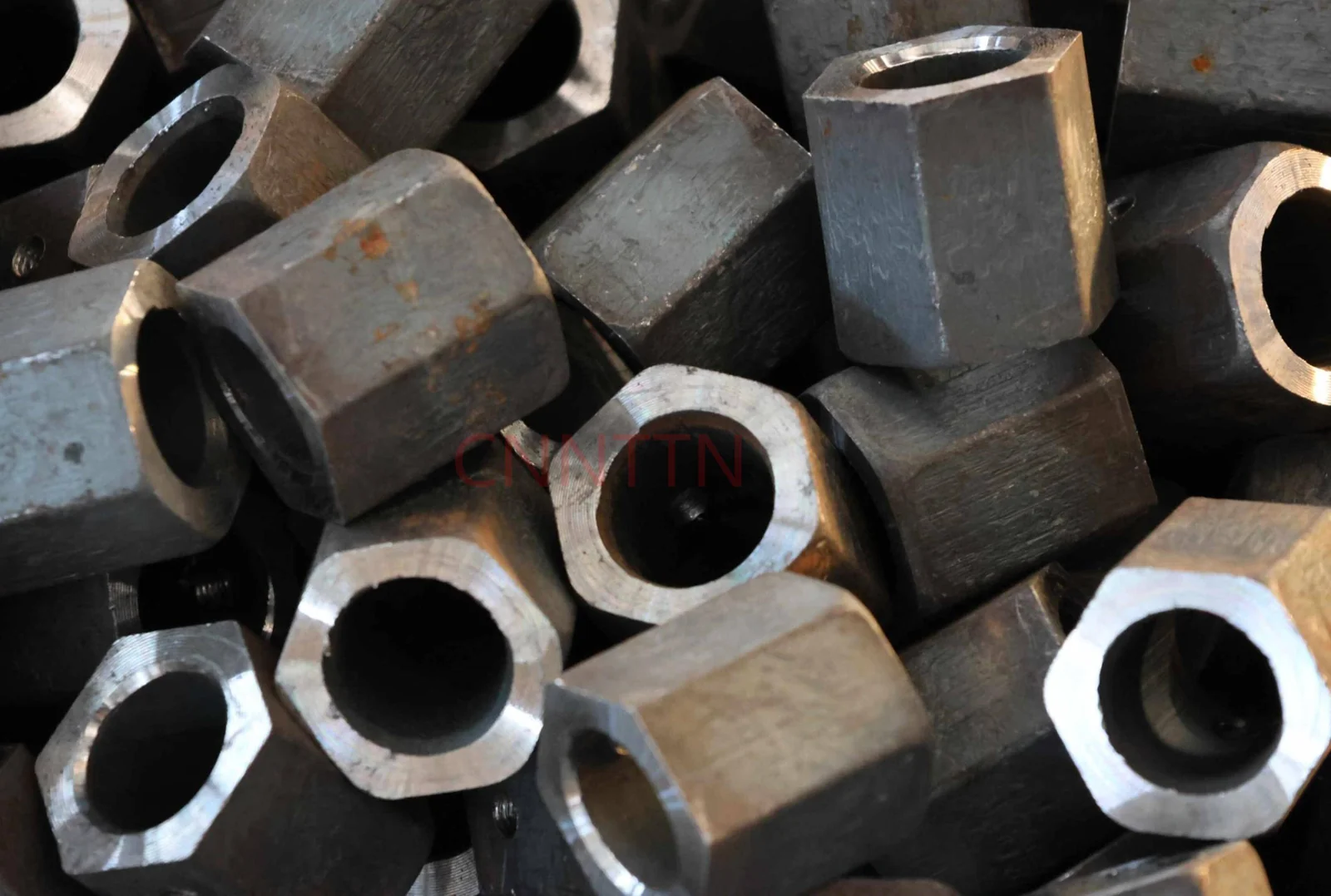
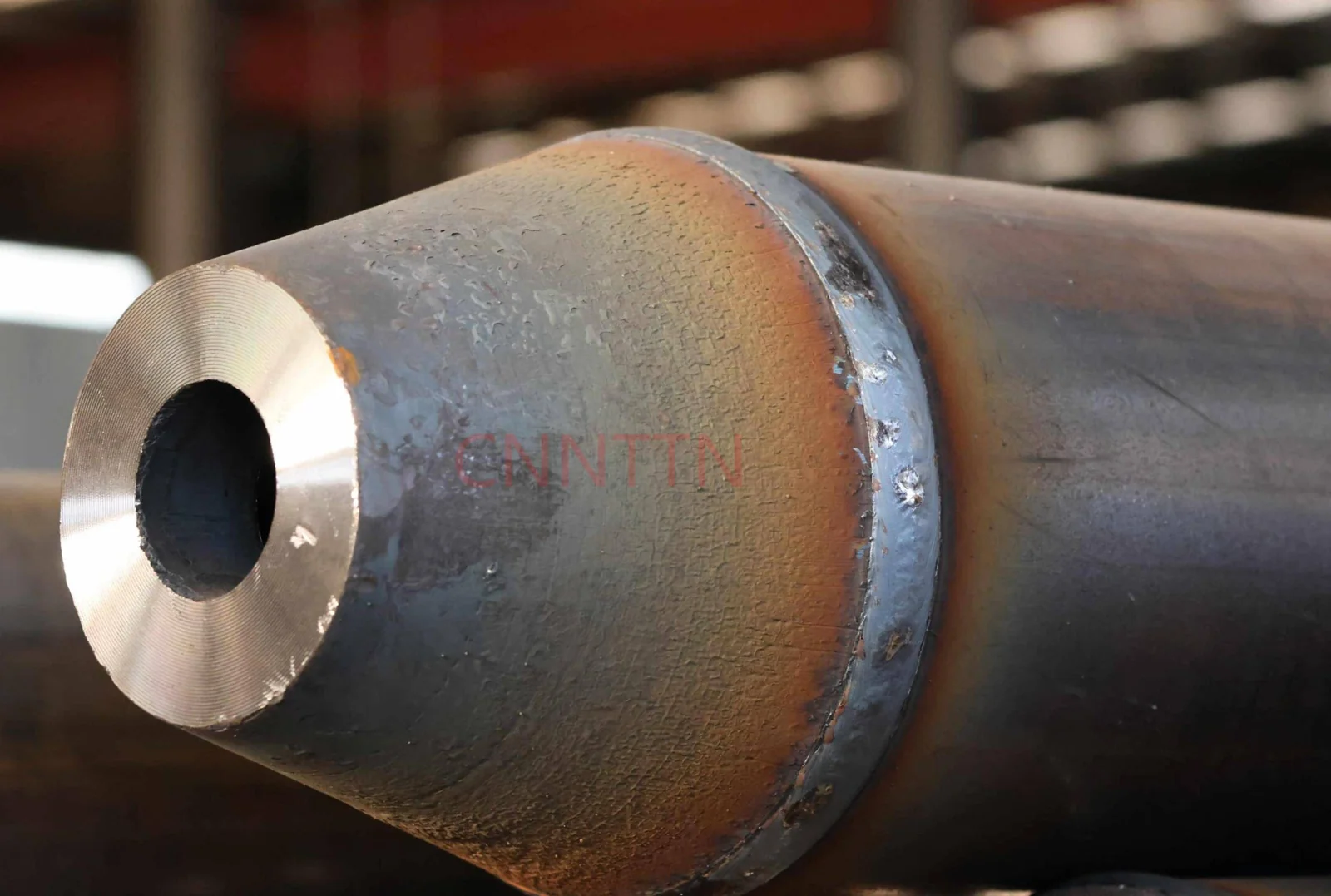
The archive images show machined openings and faces on steel ball nodes. They are useful for explaining the difference between a ball blank and a machined connection component. Surface appearance, however, cannot establish material grade, heat treatment, thread accuracy or structural capacity.
Similarly, a clean-looking assembled node is not proof that all bolts have engaged correctly. Verification should follow the specified procedure and remain traceable to the component identification.
Connections are part of the whole roof
Node geometry must be coordinated with member lengths, structural depth, support details and construction access. When a member or roof outline changes, ask whether related node and end-component information also changes. A small-looking revision can have consequences across an assembly schedule.
Read high-strength bolts and cone heads alongside this introduction. For an actual project, submit the drawings and required scope through NTSSGROUP.
References & further reading
Background resources; applicability and current editions must be checked for the project. Referenced organisations do not endorse this site.