Start with controlled information
A fabrication workflow needs an agreed set of drawings, schedules and specifications. Before ordering or making components, identify the revision that governs the work and the process for issuing changes. A file name containing “final” is not a complete revision-control system.
General steel-fabrication guidance describes an information-led process involving detailing, material preparation, fabrication and inspection. The exact sequence and requirements for a proprietary space-frame assembly must be established for that project. Fabrication background.
Separate the component workstreams
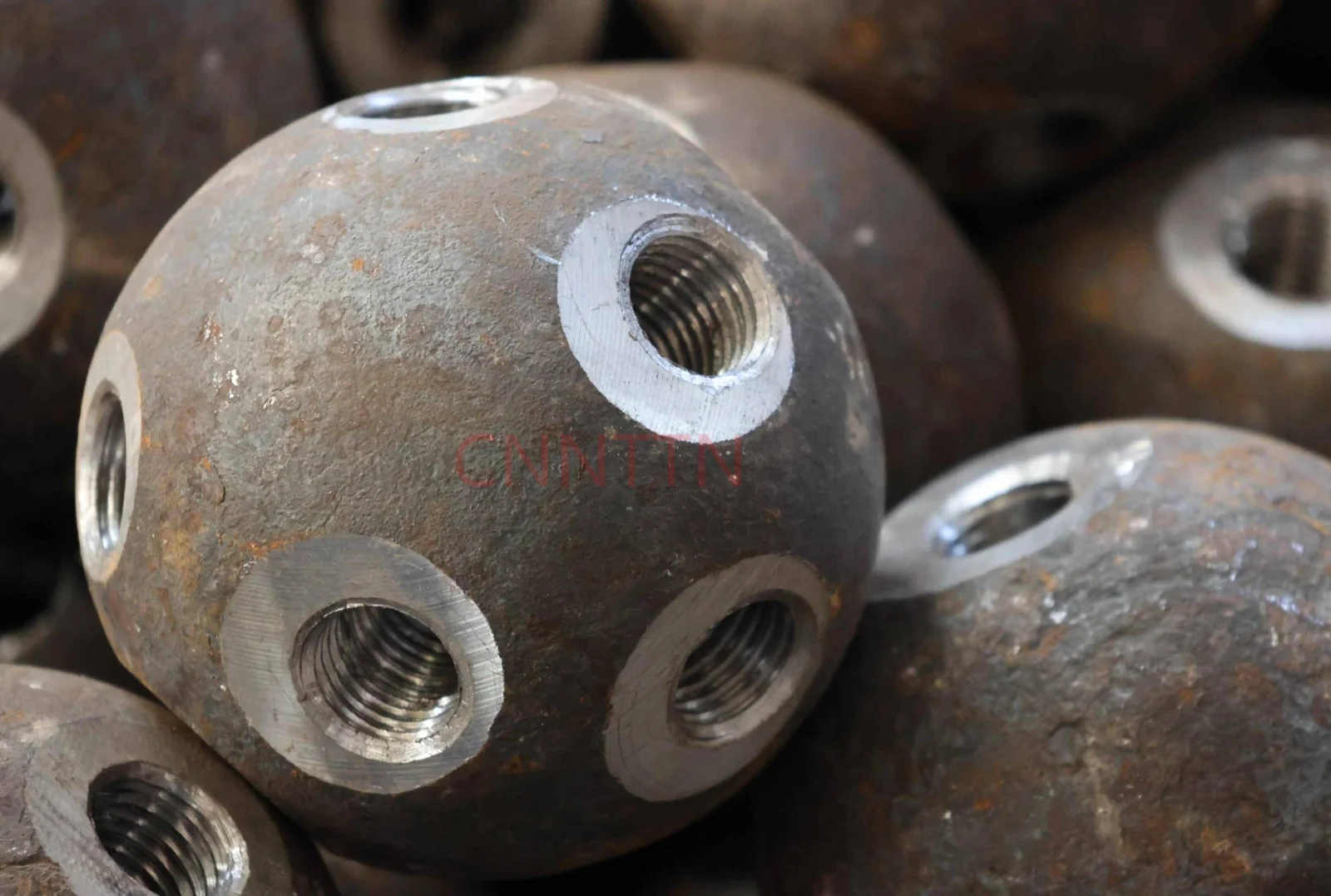
Tubular members, machined ball nodes, fasteners, sleeves, supports and secondary steel have different manufacturing and documentation needs. Their schedules must nevertheless join up: a delivered member should match the node and connection details assigned to it.
A practical review asks how component identification is established, how material documentation is linked to the parts, and how changes are reflected in the production and packing information.
Ask what is inspected and when
The approved quality plan should identify the relevant checks and acceptance criteria. These may concern incoming products, dimensions, machining, welding, surface treatment and final assembly interfaces, depending on the specified system and scope.
Do not turn a generic list into a mandatory test schedule without reviewing the governing requirements. Inspection methods, personnel qualifications, sampling and records should be agreed through the project's actual documentation.
Surface treatment needs coordination
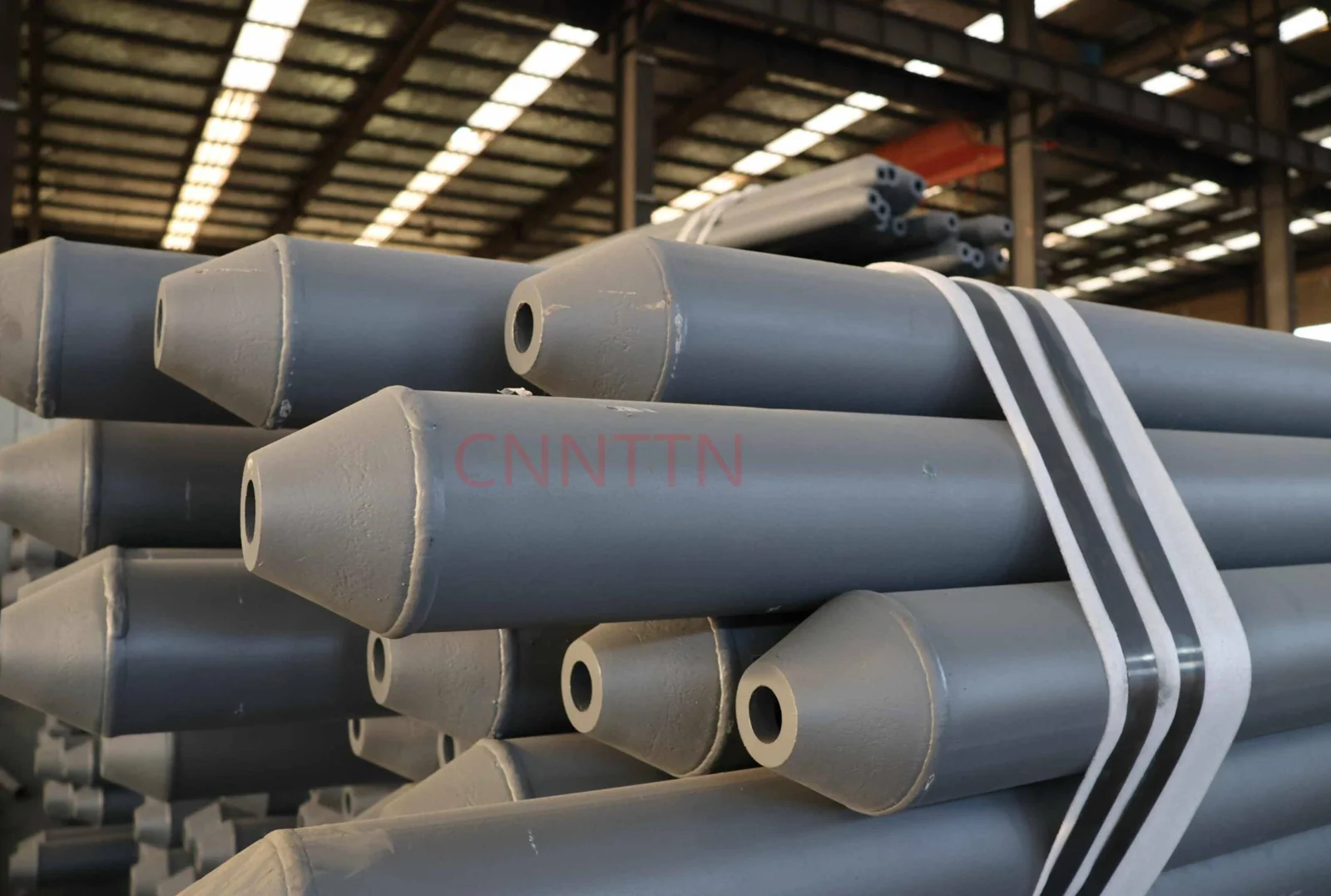
Ask how the specified protective system will be applied and documented, which surfaces require special handling, and how assembly interfaces and identification will be preserved. Storage and transport arrangements should be compatible with the finish and intended use.
A photograph of coated members shows appearance, not confirmed coating thickness, adhesion or compliance. The relevant records and checks must support any conformity claim.
Manage nonconformities visibly
Our suggested record includes the affected component identification, the issue found, its current status, the authorised disposition and any required reinspection. The purpose is to avoid a repaired or substituted component losing its information trail.
Only the responsible parties can authorise a repair or design change. This guide supplies no repair detail or automatic acceptance rule.
Prepare delivery for installation
Before dispatch, compare packing lists with the component schedules and identify missing or outstanding items. Record how the installation team will recognise the delivered parts and obtain the current drawings.
A useful handover package brings together the agreed material, manufacturing, inspection and delivery information without claiming tests that were not performed. Keep this discipline even for small projects: clear records are easier to use than a folder of unlabelled photographs.
Continue with installation planning to see how fabrication information supports site coordination.
References & further reading
Background resources; applicability and current editions must be checked for the project. Referenced organisations do not endorse this site.